Ragi (finger millet): benefits, uses and how to buy in bulk
By Sanjeet Kumar, Executive Director, BKFPCL · Updated · 2 min read
Key takeaways
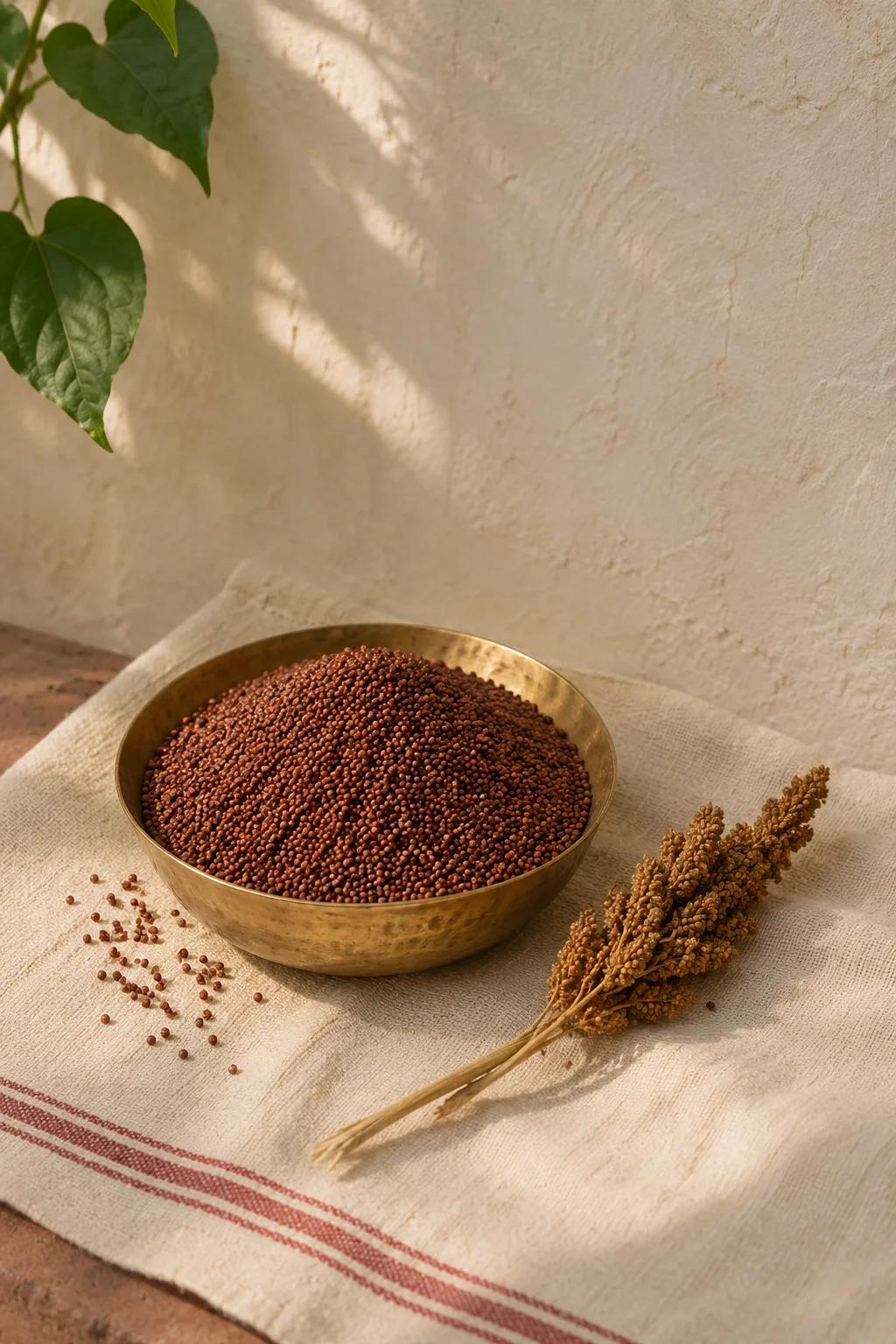
Ragi, also called finger millet, nachni or mandua, is a small reddish-brown millet and one of the richest cereal sources of calcium.
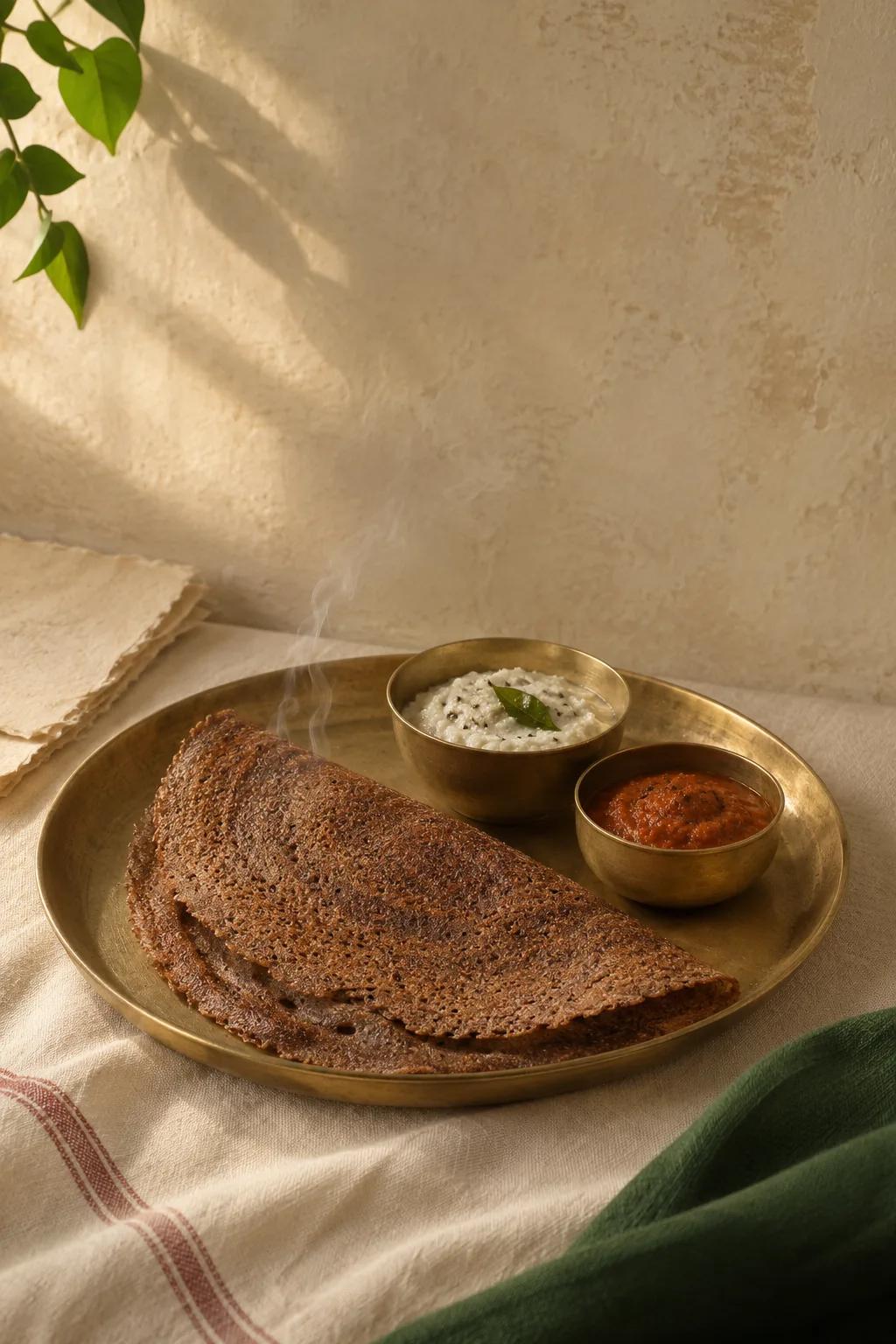
It is naturally gluten-free and works as flour for roti, dosa, porridge, malt, cookies and ready mixes.
Barahiya Krishi Fed Producer Company Limited supplies ragi flour and whole ragi in packs of 5, 10, 15, 20 and 40 kg.
What is ragi?
Ragi (Eleusine coracana) is a millet grown across India and Africa. Its tiny grains are reddish-brown, and it is known by many names: finger millet in English, nachni in Marathi, mandua in Hindi, kelvaragu in Tamil. It grows well in dry, low-input conditions, which suits small farms.
Nutrition
Ragi is valued above all for calcium. The figures below are indicative; published tables vary by variety and lot.
Porridge and malt: a traditional food for children and older adults.
Bakery: cookies and breads, usually blended with wheat flour because ragi has no gluten.
Ready mixes and baby food: the flour dissolves easily.
Buying ragi in bulk
Ragi is available as flour and as whole grain in packs of 5, 10, 15, 20 and 40 kg, for wholesale, white label repacking, commercial buyers and government supply. See the buyer's checklist, then request a quote.
Questions people ask
Is ragi the same as nachni and finger millet?+
Yes. Ragi, nachni, mandua and finger millet are different names for the same grain.
Is ragi gluten-free?+
Ragi naturally contains no gluten. If you need certified gluten-free products, ask about handling and cross-contact for your label.
Is ragi flour better than whole ragi?+
Neither is better; they suit different uses. Flour is ready to cook; whole grain is for milling, malting and sprouting.
 TM