Telling your grain’s origin story without false claims
By Sanjeet Kumar, Executive Director, BKFPCL · Updated · 2 min read
Key takeaways
A true origin story names the place, the people and the date. It needs records, not adjectives.
Words such as organic, natural, chemical-free, gluten-free or lab tested are claims. Print them only if you hold the proof, and keep the proof on file.
Ask permission before you name or photograph a farmer.
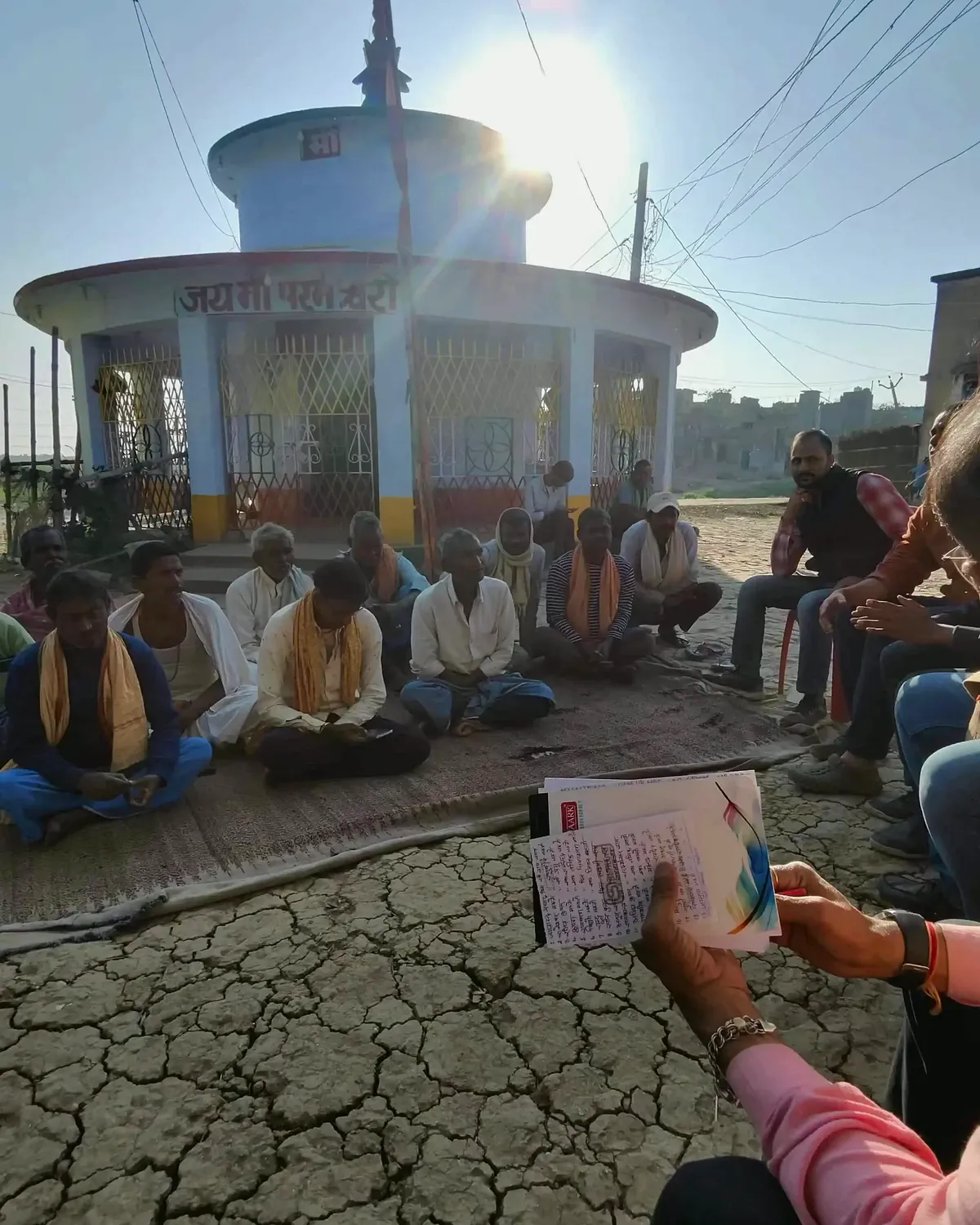
Barahiya Krishi Fed Producer Company Limited can confirm the facts it holds: 750 farmer shareholders in 14 villages of Barahiya block, Lakhisarai, Bihar. Use those, and only those, for the place and the people.
Why the story matters, and why it can hurt
Buyers trust a brand more when they know where the food comes from. A farmer-owned source is a real strength. But a story that goes beyond the facts can damage the brand quickly. A customer, a rival or a regulator can ask for proof, and a claim you cannot prove becomes a problem.
What you can say, and what you need to say it
Claim
What you need
Safer wording
“Grown in Bihar”
The supplier’s record of where the lot came from
“Grain from farmers in Barahiya block, Lakhisarai, Bihar”
“Farmer-owned”
The supplier is a farmer producer company
“Supplied by a farmer-owned producer company”
“Organic”
A valid organic certificate for the crop and the pack
Say nothing unless you hold it
“Chemical-free” or “pesticide-free”
Test reports for every lot
Describe what you know, such as “grown by smallholder farmers”
“Gluten-free”
A test and a compliant claim under the food rules
Check the rules and your lab before you print it
“Lab tested”
A report for the lot, named lab and date
“Tested by [lab name], report on request”
“Single origin” or “farm to table”
Lot records that trace to one place
Name the place, not the slogan
Write with facts, then one human detail
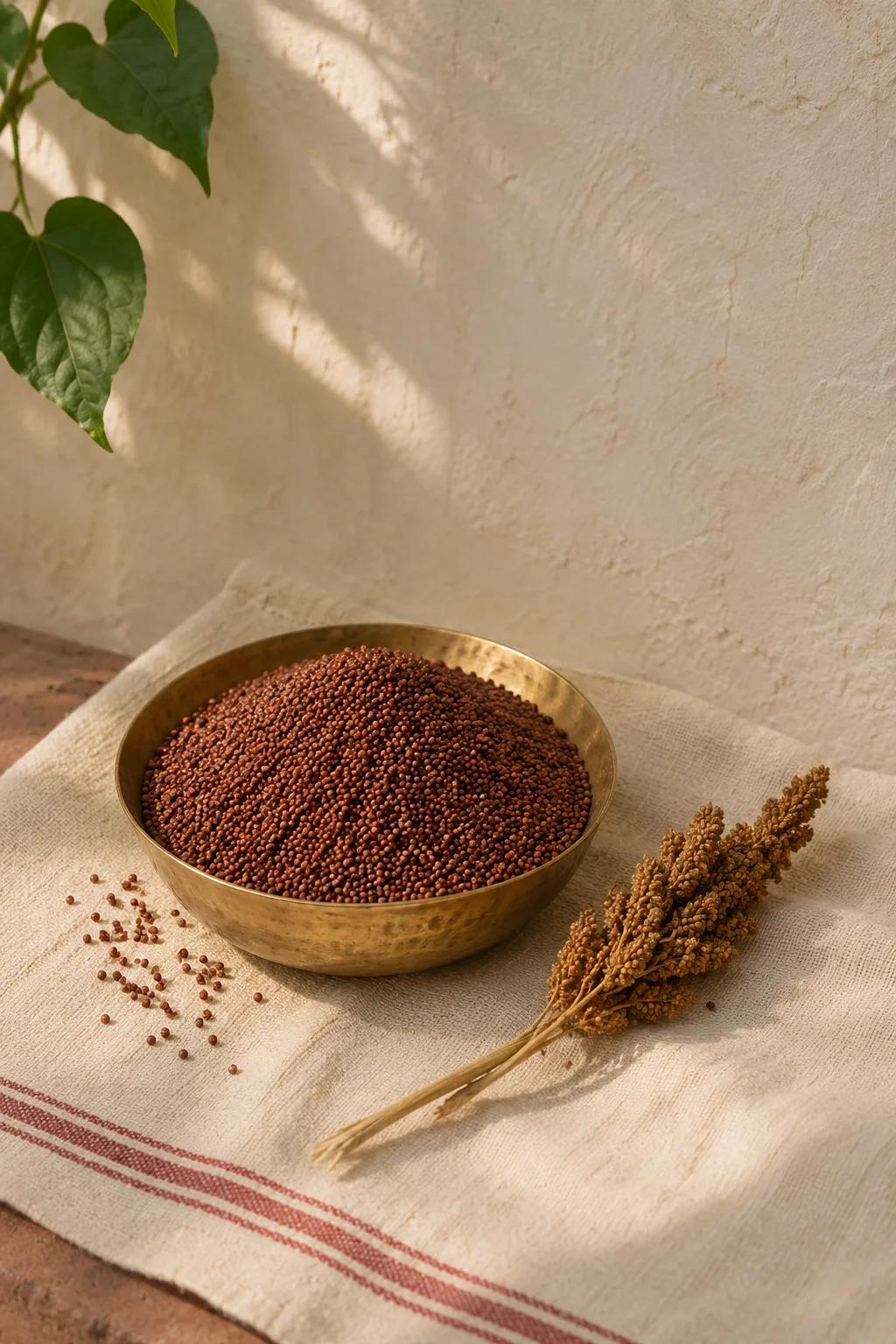
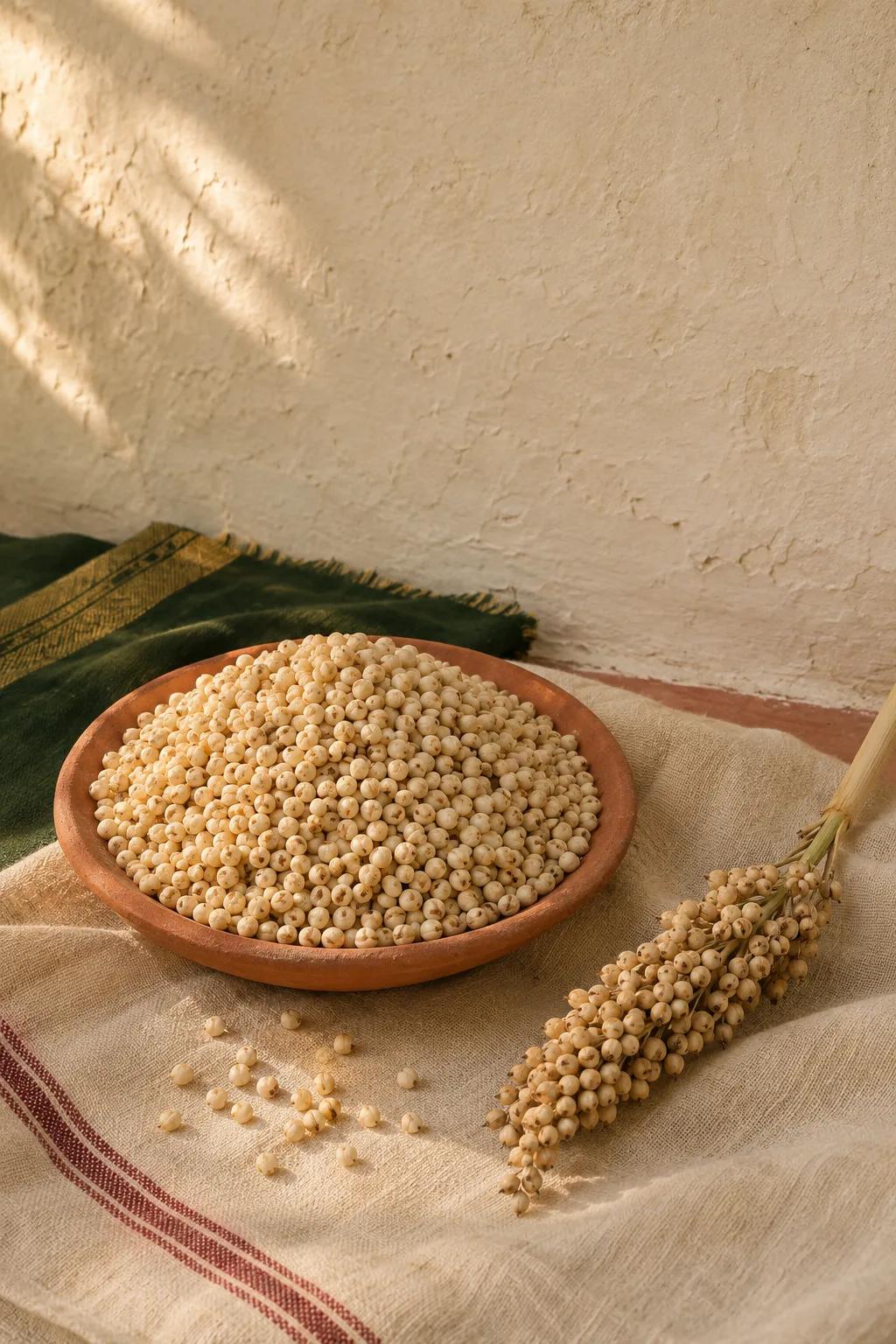
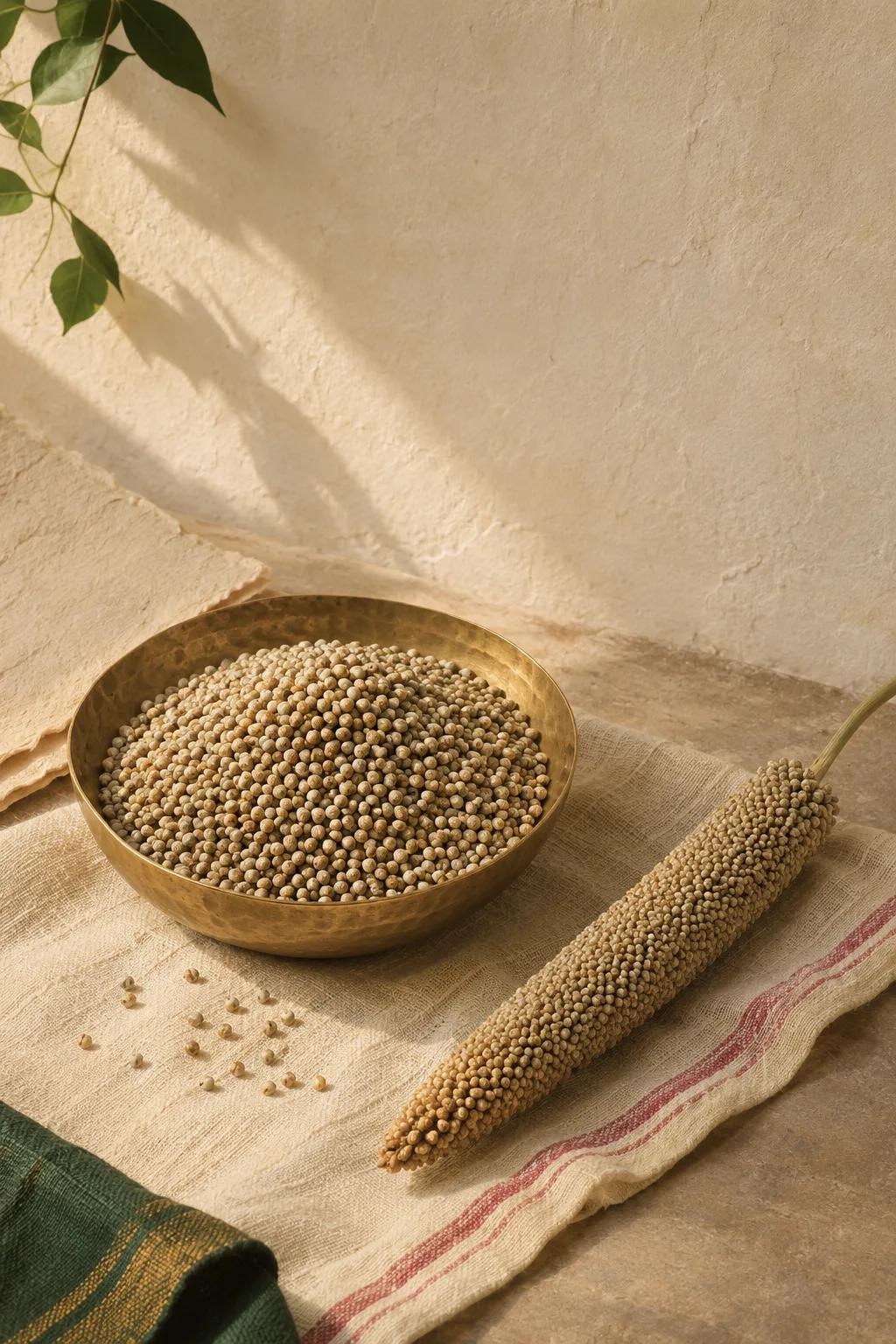
The strongest story is short. Name the place. Say who owns the company that supplies you. Add one detail a customer can picture: a crop, a season, a village. Then stop.
For example: “This flour comes from Barahiya Krishi Fed Producer Company Limited, a producer company owned by 750 farmers in 14 villages of Barahiya block, Lakhisarai, Bihar.” Every part of that sentence can be checked on our fact sheet.
Use real people and real photos
Do not use stock photos of farmers and call them yours. Do not print a farmer’s name or face without asking. Ask, say where the picture will appear and keep a note of the answer.
The supplier’s invoice, spec sheet and lot number for every batch you sell.
Any test report and the name of the lab.
Certificates, with their dates and numbers.
The wording you printed, and who approved it.
Check the rules
FSSAI has rules on claims and on advertising, and they are updated from time to time. Read the current ones, or ask an adviser, before you print a claim on a pack or an advert. The label rules are summarised in FSSAI and label rules for a new packaged food brand.
How we work with brands
Barahiya Krishi Fed Producer Company Limited shares the facts it holds about its farmers, villages and registrations, and the lot record for your order. We pack under your label, blend to your recipe and introduce partners for finished products. The minimum order for a new custom pack is ₹5 lakh. If you take Grain Sutra packs or bulk packing, it can be lower and is agreed on a call.
Can I call my product organic if the farmers use no chemicals?+
Not unless you hold a valid organic certificate for the crop and the pack. “No chemicals” is a claim that also needs proof. Say what you can prove.
Can I name the village on my pack?+
Yes, if your supplier’s records show that the lot came from there. Ask the supplier for the record.
Can I use photos from your site?+
Ask us first. Photos of people need their permission, and we will tell you what we can share.
Is gluten-free a safe claim for millets?+
Not without checking. Claims are regulated, and cross-contact in milling and packing matters. Check the rules and test the product before you print it.
 TM