By Sanjeet Kumar, Executive Director, BKFPCL · Updated · 2 min read
Key takeaways
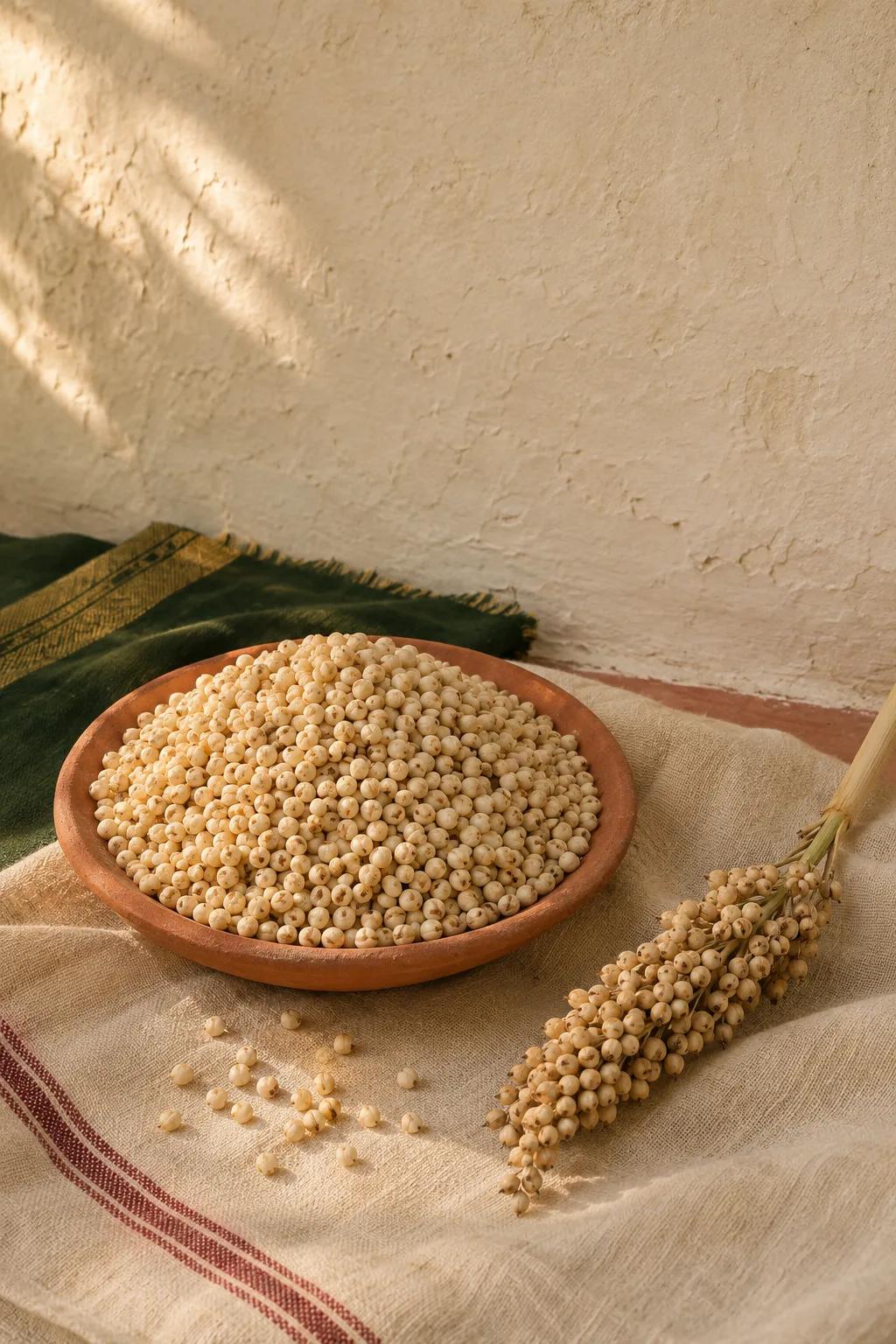
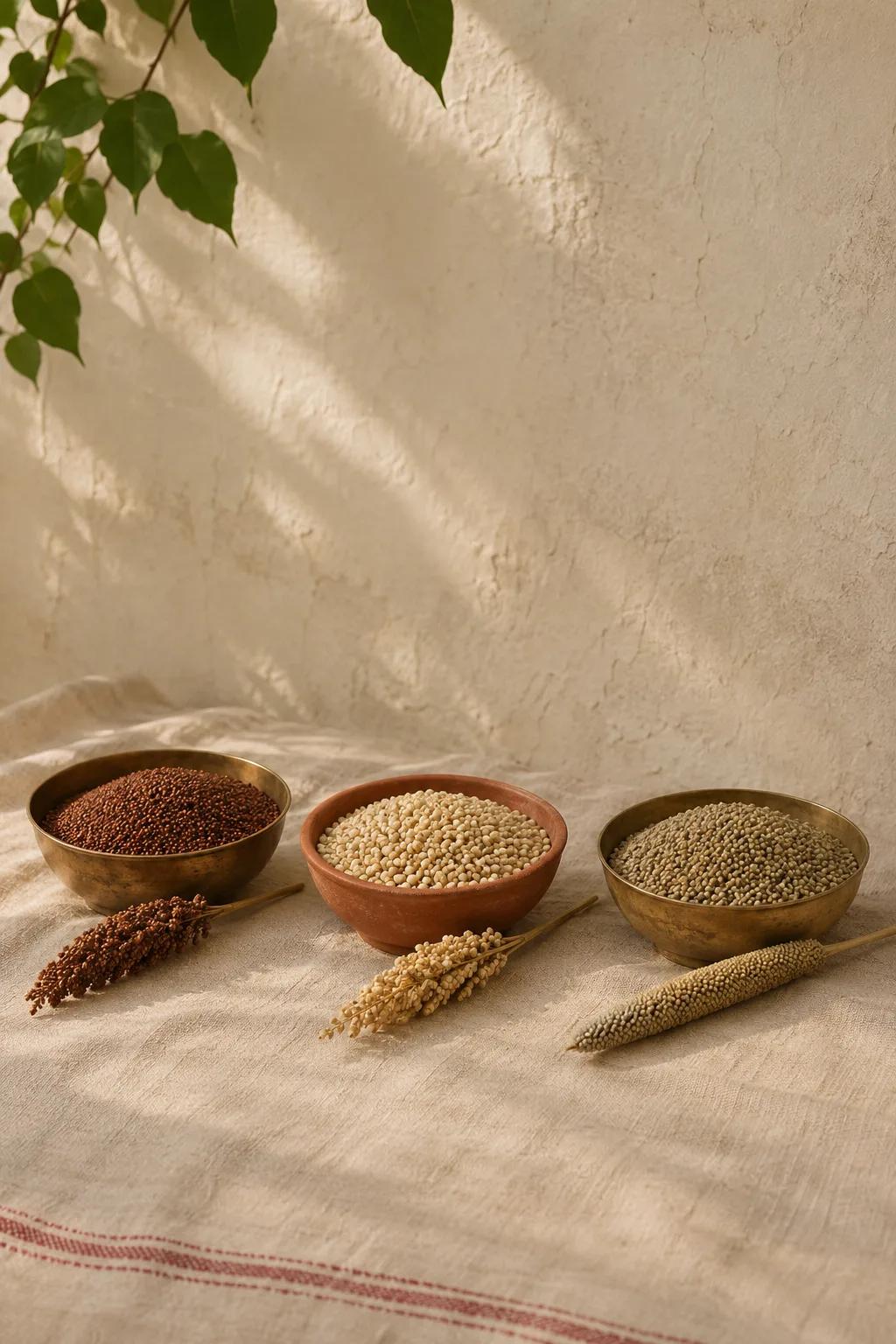
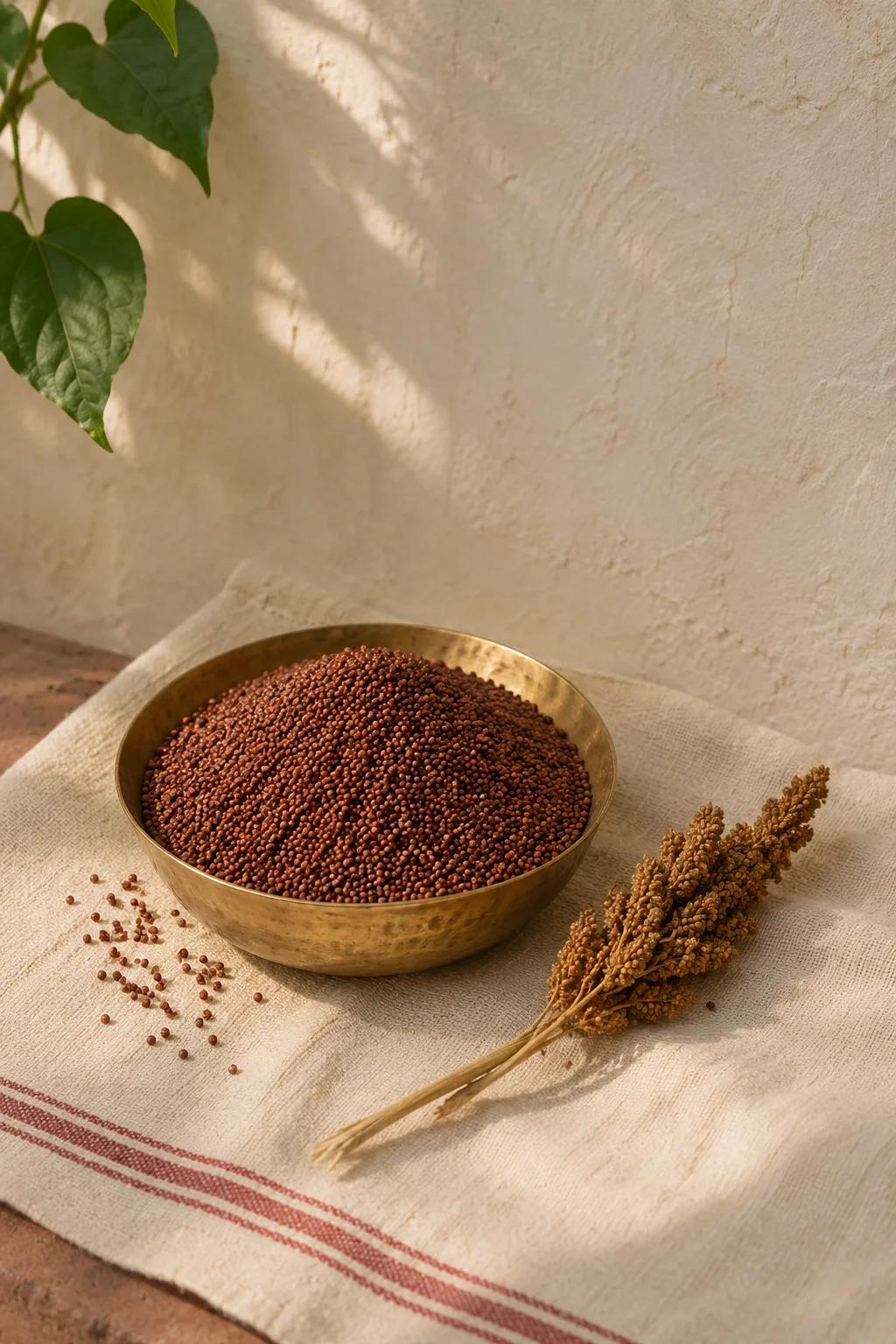
Ragi brings calcium, jowar brings fibre and protein, and bajra brings protein and iron.
All three are naturally gluten-free and work in dosa, roti, porridge, khichdi, cookies and ready mixes.
Millets grow well in dry, low-input conditions, so they suit small and marginal farmers.
1. Nutrition
Ragi brings calcium, jowar brings fibre and protein, and bajra brings protein and iron. All three are naturally gluten-free.
2. Variety
One grain, many foods: dosa, roti, porridge, khichdi, cookies, noodles and ready mixes. See 5 easy millet recipes.
3. Small farms and climate
Millets grow well in dry, low-input conditions, so they suit small and marginal farmers, who are most of the members of our company: 459 marginal and 217 small farmers among 750 members. Read what an FPO is.
4. For buyers
If you buy for a bakery, a food brand, an institution or your own label, ragi, jowar and bajra are available from Barahiya Krishi Fed Producer Company Limited in packs of 5, 10, 15, 20 and 40 kg. Start with our guide to buying millet flour in bulk.
Questions people ask
Which millet should I start with?+
Ragi is the easiest to use in everyday cooking (dosa, porridge). Jowar suits soft rotis, and bajra suits khichdi and winter food.
 TM