By Sanjeet Kumar, Executive Director, BKFPCL · Updated · 2 min read
Key takeaways
Millets were everyday food across India long before wheat and rice dominated, and traditional systems including Ayurveda describe them with care.
In traditional descriptions millets are light, dry grains; bajra is often called warming, ragi and jowar cooling.
This is traditional practice, not medical advice.
A food before wheat and rice
Millets were everyday food across India long before wheat and rice became dominant, and traditional food systems, including Ayurveda, describe them with care.
Warming and cooling grains
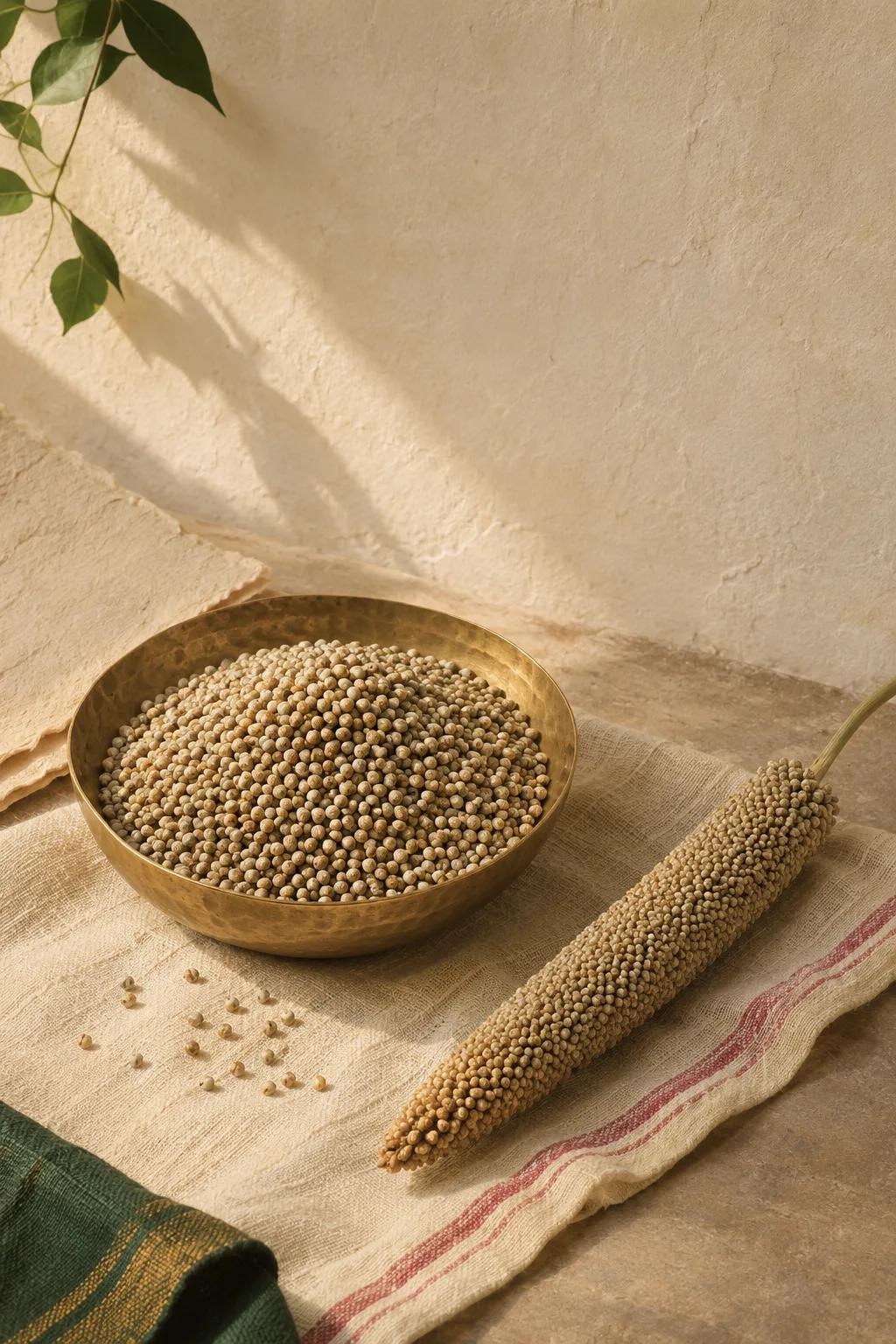
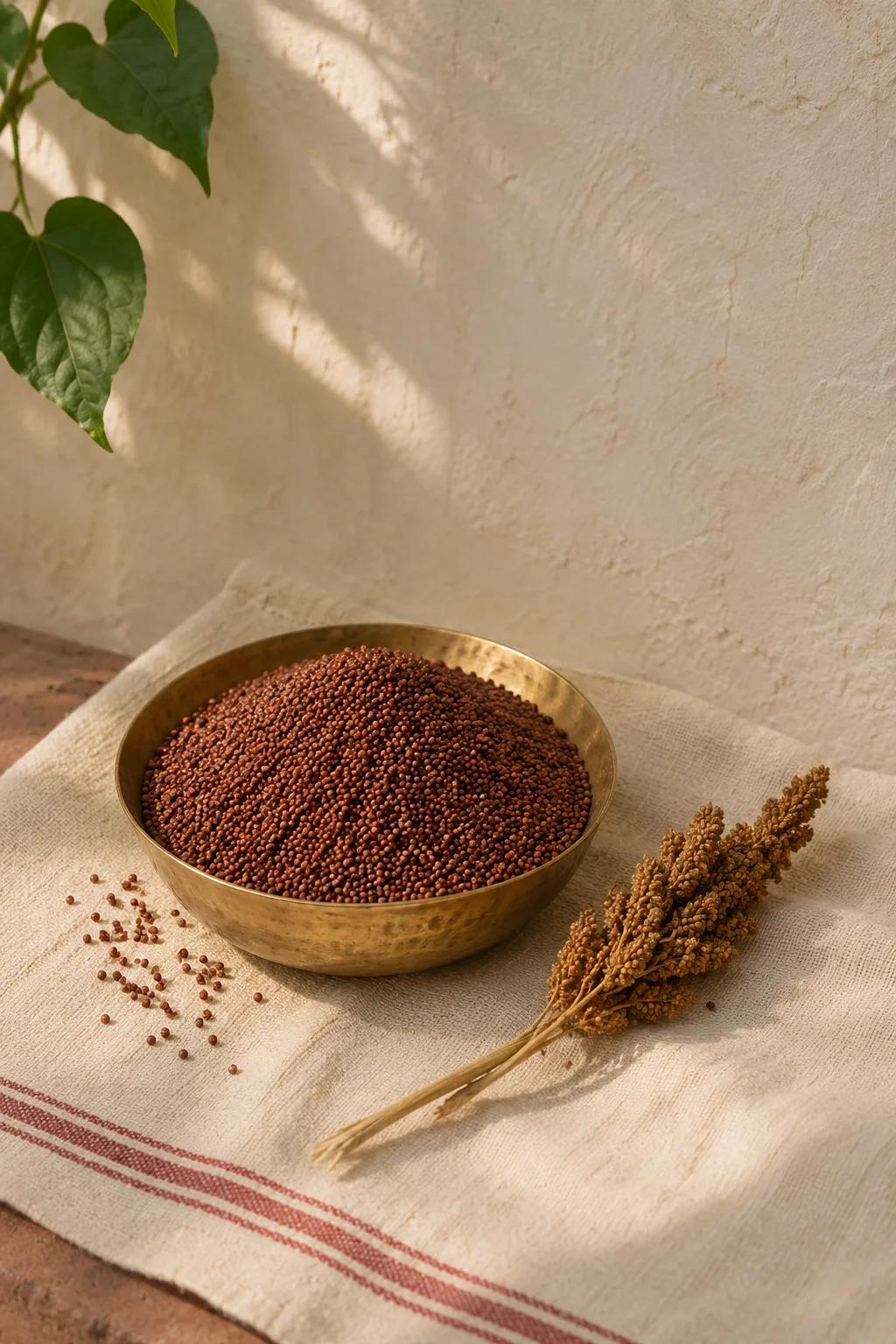
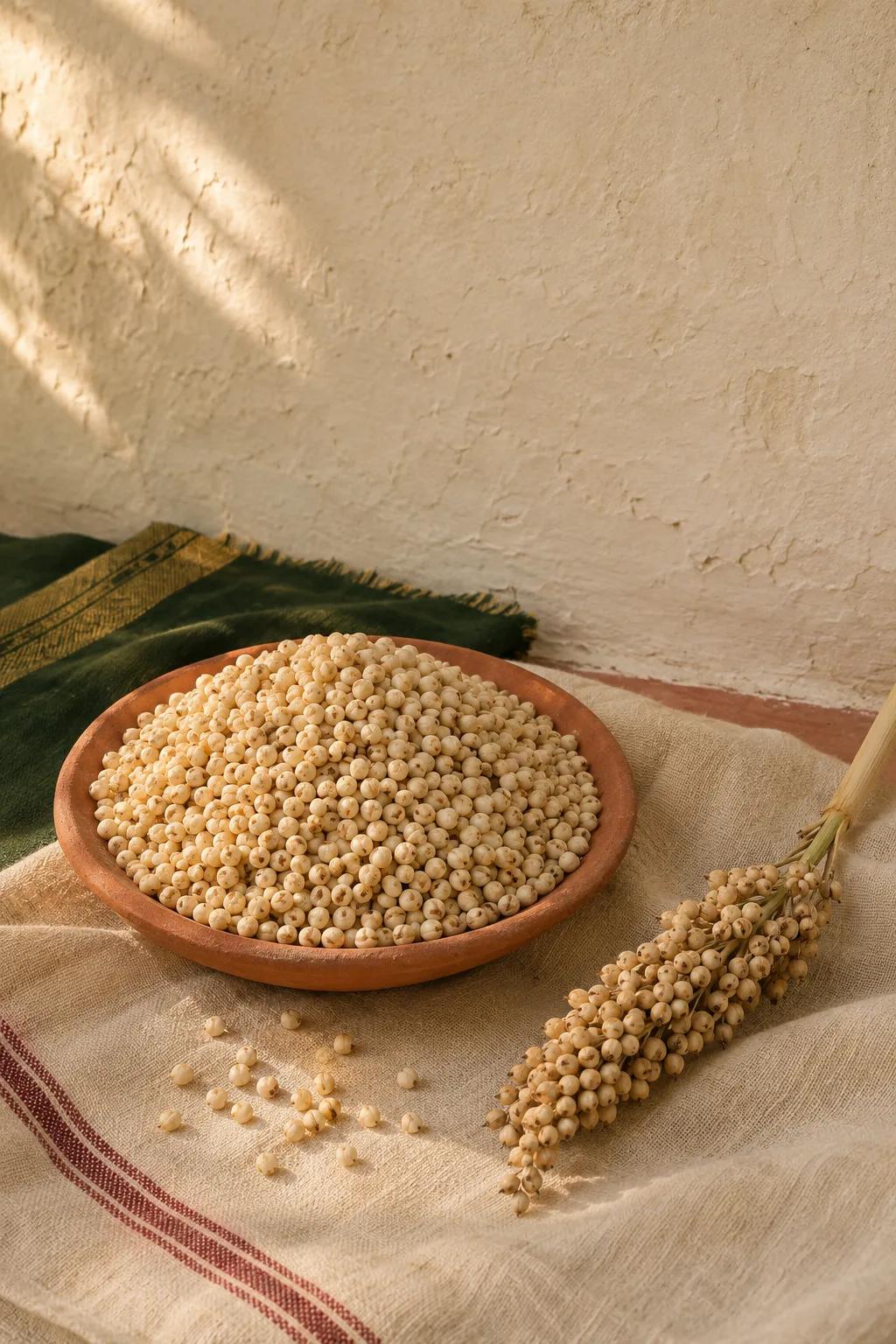
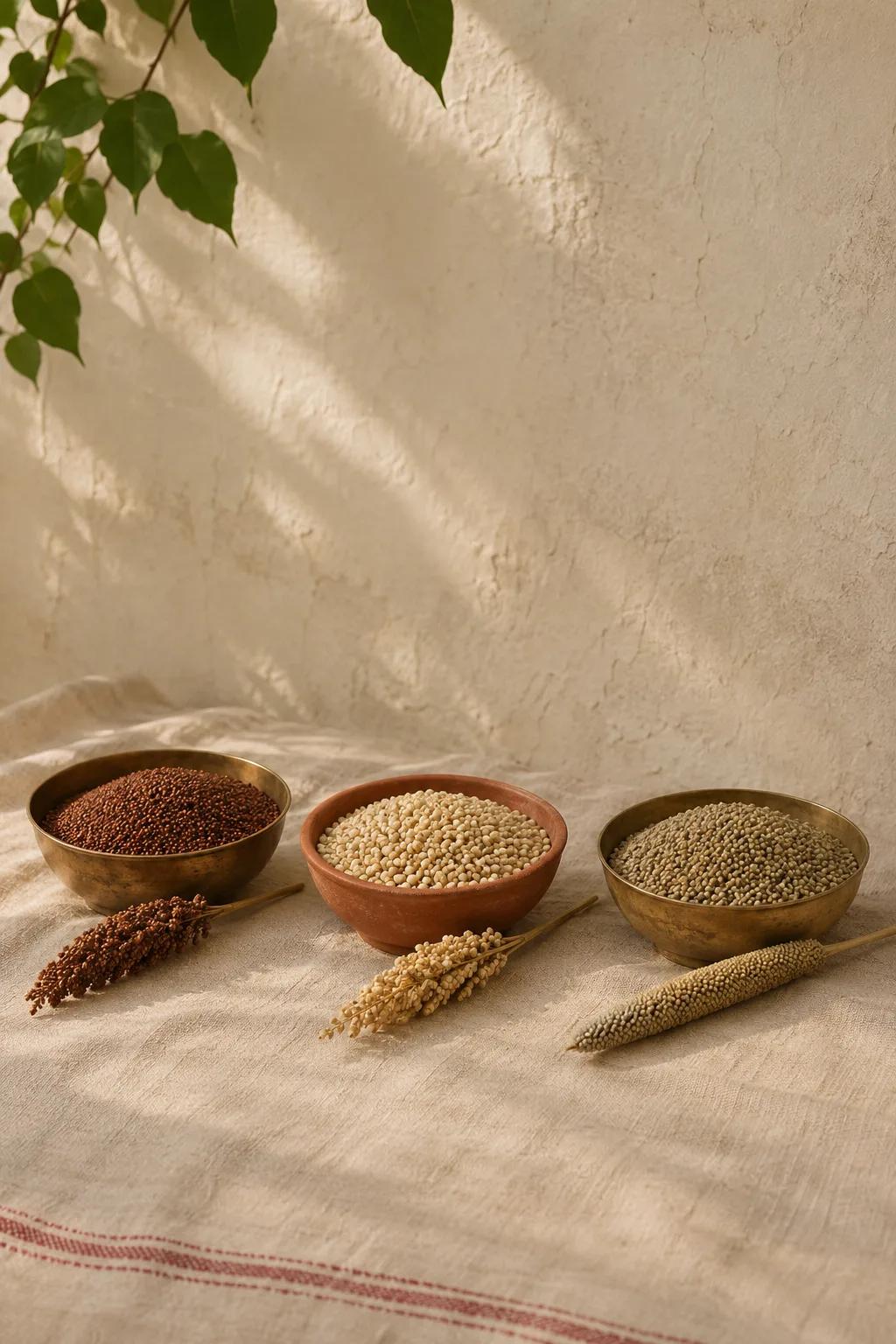
In traditional descriptions millets are light, dry grains. Different millets are described differently: bajra is often called warming and is eaten more in cold months, while ragi and jowar are often described as cooling and are common in warmer seasons.
Seasons, ghee and good company
That is why regional diets pair millets with seasons and with ghee, jaggery, buttermilk and vegetables. This is traditional practice, not medical advice, and anyone with a health condition should ask their doctor about their diet.
Millets in today's kitchen
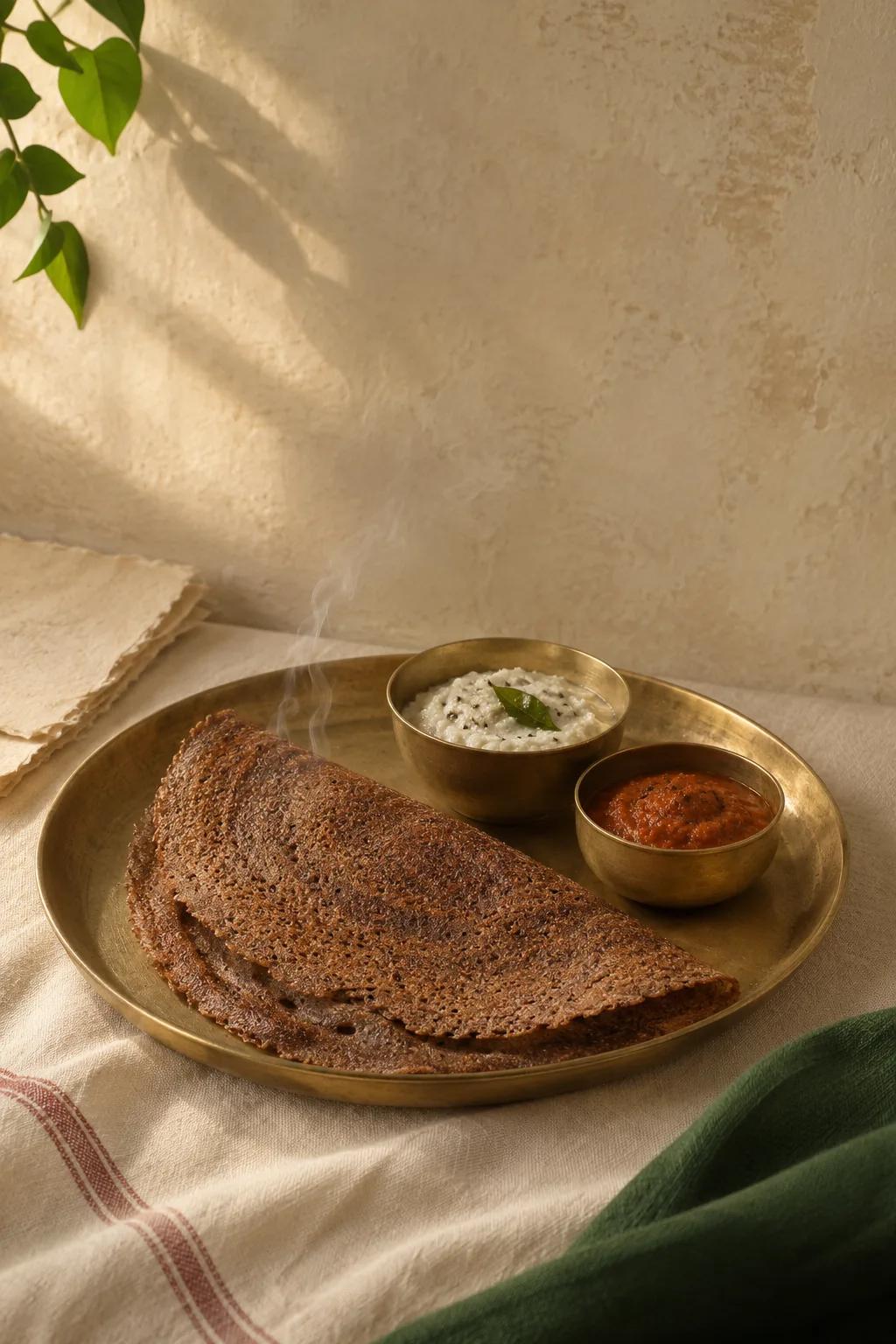
Today these grains are returning to kitchens and menus. Ragi, jowar and bajra are available from us as flour or whole grain in bulk. For recipes, see 5 easy millet recipes.
Questions people ask
Is bajra really warming?+
In traditional Indian food thinking, yes, and that is why it is eaten more in winter. This is a traditional description, not a measured property.
 TM